

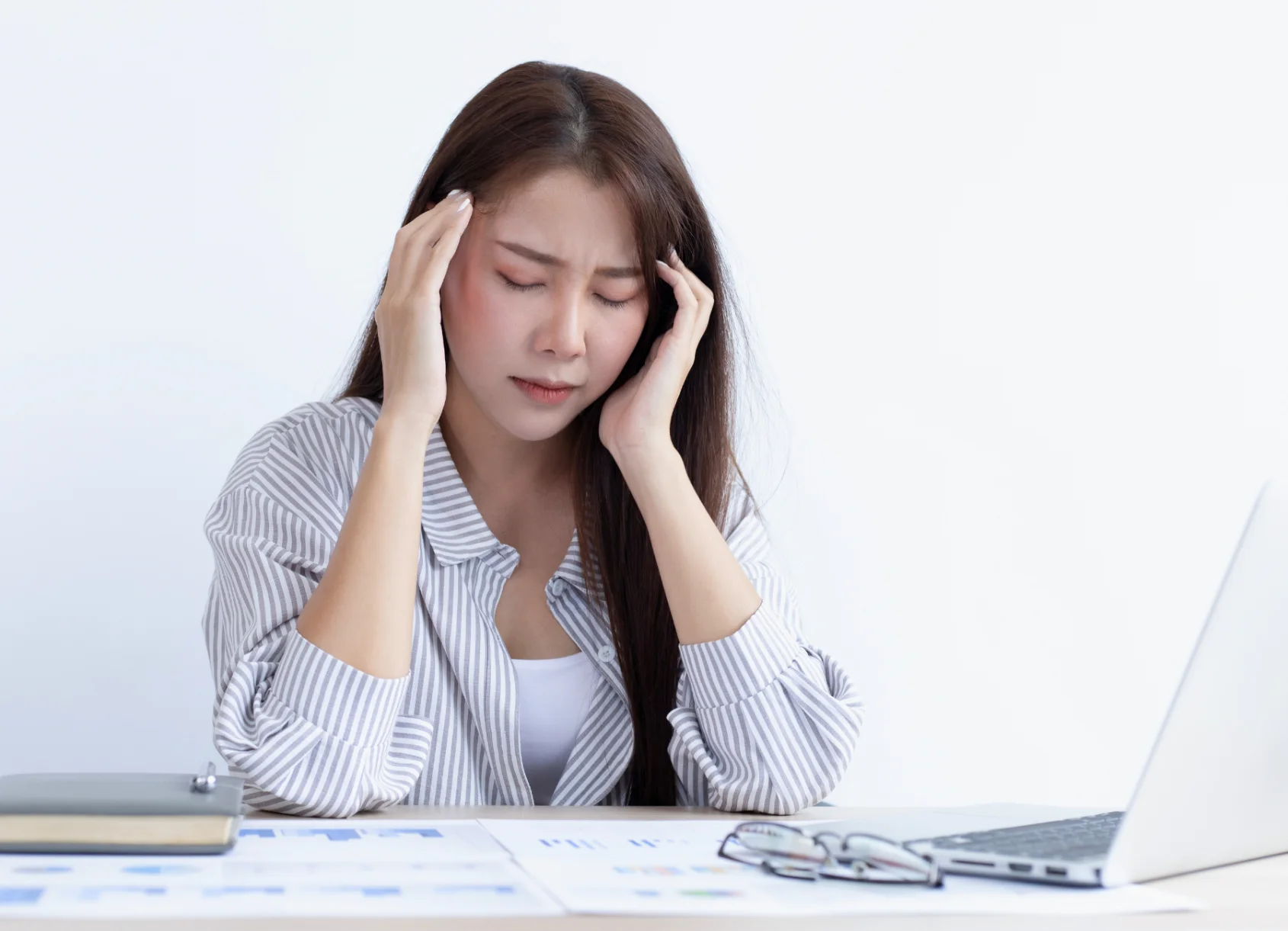
Depression extends far beyond sadness or low mood. Approximately 90% of people with depression experience physical symptoms, yet many dismiss these bodily manifestations as separate health issues. Understanding how depression affects your body is critical for proper diagnosis and effective treatment.
Depression Triggers Widespread Inflammation
Depression activates the body’s inflammatory response system. Pro-inflammatory cytokines—including interleukin-6 (IL-6), interleukin-1β (IL-1β), and tumor necrosis factor-alpha (TNF-α)—increase significantly in depressed patients. These inflammatory molecules don’t just signal immune problems; they directly alter brain chemistry and neurotransmitter function.
Research shows that depression and inflammation share bidirectional relationships. Chronic inflammation can trigger depressive episodes, while depression amplifies inflammatory responses throughout the body. This creates a feedback loop where physical symptoms worsen mental health, and declining mental health intensifies physical discomfort.
The mechanism involves the activation of the indoleamine 2,3-dioxygenase (IDO) enzyme, which accelerates tryptophan metabolism. Since tryptophan is a precursor to serotonin—a neurotransmitter crucial for mood regulation—this process depletes serotonin availability in the brain. Between 30-50% of patients receiving interferon-alpha therapy (which increases cytokine production) develop clinical depression, providing direct evidence that inflammation can cause depressive symptoms.
Chronic Pain Affects 40% of Depression Patients
A 2025 meta-analysis of 347,468 adults across 50 countries found that approximately 40% of people with chronic pain experience clinically significant depression. The relationship works both ways: studies demonstrate that people with depression are three times more likely to develop regular chronic pain compared to those without depression.
The pain-depression connection stems from shared neurochemical pathways. Both conditions involve serotonin and norepinephrine neurotransmitters, which regulate pain perception and mood simultaneously. When these systems malfunction during depression, pain sensitivity increases dramatically.
People with fibromyalgia show depression rates of 54%, while those with complex regional pain syndrome and temporomandibular disorders also show elevated rates exceeding 50%. Joint pain data reveals that each additional painful joint increases depression likelihood by 19%. For people experiencing both chronic pain and depression, nearly 70% report work limitations, 55% struggle with social activities, and 44% have difficulty completing errands alone.
The severity relationship is dose-dependent: more intense pain correlates with more severe depression. However, even mild pain (rated 1-3 on a 10-point scale) shouldn’t exclude the possibility of depression. Pain duration shows less correlation with depression onset, indicating that even short-term pain patients require screening.
Sleep Disturbances Strike Up to 90% of Cases
Sleep problems rank among the most prevalent physical symptoms of depression. Research indicates that 75% of depressed individuals experience insomnia symptoms, while 40% of young adults and 10% of older adults with depression exhibit hypersomnia (oversleeping). The relationship between sleep and depression is bidirectional and particularly concerning.
Studies show that insomnia increases depression risk substantially. People with insomnia are 9.82 times more likely to have clinically significant depression compared to good sleepers. For those with persistent insomnia (lasting a year), the odds of developing new-onset depression reach 39.8 times higher than those whose insomnia resolved.
Depression alters sleep architecture at the neurobiological level. Changes in rapid eye movement (REM) sleep patterns serve as distinctive biological markers. The brain’s neurotransmitter imbalances—particularly involving serotonin—disrupt the normal sleep-wake cycle regulation. Additionally, alterations in appetite-regulating hormones like leptin create cascading effects on sleep quality.
Insomnia doesn’t just accompany depression—it predicts relapse. Residual sleep problems following depression treatment increase relapse rates three times higher than in patients who achieve full remission including sleep normalization. Women aged 20-30 with sleep disturbances face 4.1 times higher odds of experiencing depression within two weeks.
Psychomotor Changes Slow Movement and Speech
Depression physically slows the body’s movement and cognitive processing—a phenomenon called psychomotor retardation. This isn’t metaphorical; it’s measurable and observable to others.
Research documents several manifestations:
- Speech changes: Longer pauses between words, reduced volume, monotonous tone, delayed responses
- Eye movement: Fixed staring, reduced eye contact, slower tracking
- Fine motor tasks: Difficulty with buttons, zippers, shoelaces, writing, handling money
- Gross movement: Feeling “weighed down” when walking, slower position changes, reduced reaction time
These changes occur because depression disrupts the coordination between brain signals and physical execution. The basal ganglia-thalamocortical circuits—which facilitate motor control—show altered activity in depression. The neurotransmitter dopamine, essential for initiating movement, becomes dysregulated.
For some patients, psychomotor changes represent the most noticeable outward sign of depression. Family members often report that their loved one “moves in slow motion” or “seems stuck.” These symptoms typically improve with effective antidepressant treatment as neurotransmitter balance restores.
Unexplained Fatigue and Energy Depletion
Crushing exhaustion that doesn’t improve with rest characterizes depression-related fatigue. This isn’t ordinary tiredness—it’s a profound energy depletion that makes even simple daily tasks feel insurmountable. Multiple biological mechanisms drive this symptom.
The inflammatory cytokines elevated in depression directly induce fatigue symptoms. IL-1β and IL-6 trigger what researchers call “sickness behavior”—a conserved evolutionary response that includes lethargy, social withdrawal, and reduced activity. This adaptive mechanism originally helped sick animals conserve energy for immune responses, but in depression, it becomes maladaptive and chronic.
Studies indicate that the hypothalamic-pituitary-adrenal (HPA) axis—which regulates stress responses—becomes dysregulated in depression. Excess cortisol production disrupts normal energy metabolism, creating persistent fatigue despite adequate sleep. Additionally, mitochondrial dysfunction may impair cellular energy production, though research continues to clarify this mechanism.
Depression-related fatigue differs from general tiredness in key ways. It persists despite rest, worsens with stress, and doesn’t respond to caffeine or typical energy-boosting strategies. The fatigue often feels heaviest in the morning and may show slight improvement later in the day. Treating the underlying depression typically provides more relief than attempting to address fatigue in isolation.
Appetite and Weight Fluctuations
Depression disrupts normal appetite regulation through multiple pathways, causing either increased or decreased food intake. Approximately one-third of depressed patients experience significant weight changes, with patterns varying between individuals.
The mechanisms involve both hormonal changes and behavioral factors. Research shows that depression alters levels of leptin (which suppresses appetite) and ghrelin (which stimulates hunger). Women with major depressive disorder show elevated leptin levels alongside disordered eating patterns. These hormonal shifts explain why some people lose interest in food entirely while others crave specific foods—particularly carbohydrates and comfort foods.
Neurotransmitter changes contribute significantly. Serotonin doesn’t just regulate mood; it also modulates satiety signals. When depression depletes serotonin, normal fullness cues malfunction. Additionally, the fatigue and anhedonia (inability to feel pleasure) accompanying depression reduce motivation to prepare meals or eat balanced diets.
Some patients experience sudden weight changes—gaining or losing 5% of body weight within a month. Others show more gradual shifts. The psychological overlay complicates matters: feeling hopeless about health can lead to neglecting nutrition, while some people use food as emotional comfort. Neither pattern indicates weakness; both reflect depression’s neurobiological impact on appetite centers in the hypothalamus.
Gastrointestinal Distress and Digestive Issues
The gut-brain axis connects digestive function with mental health through bidirectional communication pathways. Depression commonly manifests as nausea, constipation, diarrhea, or stomach pain—symptoms often mistaken for primary gastrointestinal disorders.
Depression changes how the body processes food by altering stress response pathways. The autonomic nervous system, which controls unconscious functions like digestion, becomes dysregulated. Studies demonstrate that elevated cortisol and inflammatory cytokines affect gut motility, stomach acid production, and intestinal permeability.
The same cytokines (IL-6, IL-1β, TNF-α) that affect brain function also influence gastrointestinal tissue. These inflammatory molecules can trigger irritable bowel syndrome (IBS)-like symptoms in depressed patients without underlying digestive diseases. The vagus nerve—a major communication pathway between gut and brain—transmits inflammatory signals bidirectionally, explaining why gut distress worsens mood and mood problems worsen digestion.
Changes in appetite further complicate gastrointestinal symptoms. Eating too little leads to nausea and constipation, while stress-eating may cause diarrhea or stomach discomfort. The gut microbiome—the trillions of bacteria in your digestive tract—shows altered composition in depression, though researchers are still determining whether this is cause or consequence.
The Bottom Line
Physical symptoms of depression are not separate issues—they’re core manifestations of a whole-body disorder:
- 40% of chronic pain patients have clinically significant depression, with shared serotonin and norepinephrine pathways explaining the bidirectional relationship
- Up to 90% of depressed individuals experience sleep disturbances, and insomnia increases depression risk by 9.82 times while predicting higher relapse rates
- Inflammatory cytokines (IL-6, IL-1β, TNF-α) increase in depression, triggering widespread physical symptoms from pain to fatigue through altered brain chemistry
- Psychomotor slowing affects speech, movement, and fine motor control due to disrupted basal ganglia function and dopamine dysregulation
- Weight fluctuations occur in approximately one-third of patients through altered leptin and ghrelin regulation affecting appetite signals
- Gastrointestinal symptoms result from gut-brain axis dysfunction, with inflammatory cytokines affecting both mood and digestive function simultaneously
- Treatment must address physical symptoms alongside mood changes for optimal outcomes, as residual physical symptoms triple relapse risk