
Unsure whether cauliflower deserves a regular spot in your diet? Here are 7 science-backed reasons to start eating it today.
Cauliflower has surged in popularity as a low-carb alternative to potatoes and rice—but this cruciferous vegetable offers far more than calorie savings. It’s a nutritional powerhouse backed by extensive scientific research.
Nutritional Profile: The Numbers
Like other members of the brassica family (broccoli, Brussels sprouts, kale), cauliflower is highly nutritious. The data shows it contains significant amounts of nearly all essential vitamins and minerals.
The calorie comparison is striking: 100g of cooked cauliflower contains just 23 calories, while the same portion of boiled potatoes delivers 87 calories—nearly four times more.
1. Exceptionally High in Essential Nutrients
The global dietary supplement market was valued at $192.65 billion in 2024 and is projected to reach over $400 billion by 2033—showing no signs of slowing down. Maintaining a nutrient-rich diet with vegetables like cauliflower can reduce supplement dependency.
Key nutrients per cup of cauliflower:
- 77% of daily vitamin C needs—more than a medium orange
- Vitamin K1—essential for blood clotting and bone health
- Folate—crucial for cell growth and DNA formation
- Vitamin B6—necessary for brain development and function
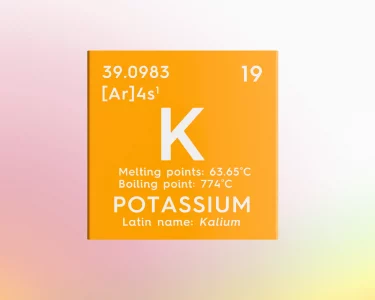
- Potassium—regulates blood pressure
- Manganese—needed for bone formation
- Magnesium—involved in over 300 enzymatic reactions
2. Perfect Low-Carb Replacement for Starchy Foods
Refined carbohydrates are a major factor in rising obesity rates and metabolic disorders. Cauliflower provides a practical alternative.
Carbohydrate comparison:
- 100g cooked white rice: 28g carbohydrates
- 100g cauliflower: 5g total carbohydrates (2g fiber, meaning only 3g net digestible carbs)
This dramatic difference makes cauliflower ideal for low-carb, ketogenic, and diabetic-friendly diets. Many grocery stores now stock cauliflower rice and cauliflower steaks for convenient meal preparation.
3. Supports Healthy Weight Loss
Cauliflower is 90% water and high in dietary fiber—a powerful combination for weight management.
Research demonstrates that foods with lower caloric density allow people to consume fewer calories without feeling hungry or deprived. The fiber content enhances this effect by slowing digestion and stabilizing blood sugar levels, increasing satiety and reducing between-meal snacking. Studies consistently show that high-fiber diets correlate with lower body weight and easier weight maintenance.
4. Rich Source of Sulforaphane
Sulforaphane is a sulfur-containing compound that has attracted significant research attention for its health benefits.
Cancer prevention: Multiple studies suggest sulforaphane combats several cancer types. It works by inhibiting histone deacetylase (HDAC), an enzyme involved in cancer cell progression. This mechanism may help suppress cancer development while leaving healthy cells unharmed.
Research indicates protective effects against cancers of the:
- Prostate
- Breast
- Colon
- Skin
- Bladder
- Oral cavity
Cardiovascular benefits: Studies suggest sulforaphane may reduce high blood pressure by improving blood vessel function and reducing inflammation.

5. High in Choline (Often Overlooked)
Choline is essential yet widely deficient. Studies show that over 90% of Americans don’t consume adequate choline.
Critical functions:
- Liver health: Transports fat and cholesterol out of the liver; deficiency can lead to non-alcoholic fatty liver disease
- DNA synthesis and methylation: Fundamental for cell growth and repair
- Cell membrane integrity: Ensures proper cellular communication and structure
- Brain function: Precursor to acetylcholine, a neurotransmitter involved in memory, mood, and muscle control
One cup of cauliflower provides approximately 45mg of choline—11% of daily needs for women, 8% for men.
6. Packed with Powerful Antioxidants
Cauliflower contains multiple antioxidant compounds that protect cells from free radical damage.
Glucosinolates and isothiocyanates: Research shows these compounds protect against breast, lung, colon, and prostate cancers. When cauliflower is chewed, glucosinolates break down into isothiocyanates, which trigger anti-inflammatory responses and activate detoxification enzymes.
Studies indicate isothiocyanates can:
- Slow cancer cell growth
- Trigger apoptosis (programmed cell death) in abnormal cells
- Prevent DNA damage
- Reduce formation of cancer-causing compounds
Carotenoids: Despite its white appearance, cauliflower contains beta-carotene and other carotenoids that combat free radicals implicated in heart disease and cellular aging.
7. Excellent Source of Dietary Fiber
Cauliflower provides approximately 3g of fiber per cup of cooked florets.
Gut microbiome support: The digestive system hosts up to 500 different species of microbes. Research establishes that maintaining this balance affects:
- Digestive health and constipation prevention
- Colorectal cancer risk reduction
- Immune function regulation
- Mental health through the gut-brain axis
How fiber works: It acts as a prebiotic, feeding beneficial gut bacteria. When bacteria ferment fiber, they produce short-chain fatty acids (SCFAs) like butyrate, which have anti-inflammatory properties and maintain intestinal lining health. Approximately 70% of immune cells reside in the gut.
Weight and metabolic benefits: High-fiber diets are linked with sustainable weight loss and improved metabolic health. Fiber slows sugar absorption, preventing blood sugar spikes and crashes that trigger cravings. Population studies show people who eat more fiber have lower body weights, smaller waist circumferences, and better metabolic markers.
The Bottom Line
Cauliflower delivers multiple health benefits backed by solid scientific research:
- Cancer-fighting compounds (sulforaphane, glucosinolates, isothiocyanates)
- Essential nutrients often lacking in modern diets (choline, vitamins C and K)
- Gut health support through prebiotic fiber
- Weight management through high water content and low caloric density
- Cardiovascular protection from antioxidants and blood pressure regulation
Recommendation: Incorporate cauliflower into meals 2-3 times per week. Whether roasted, steamed, riced, mashed, or raw, each serving provides substantial health-promoting compounds.