
Understanding Anxiety and Natural Relief
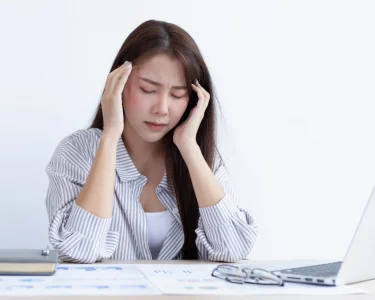
Anxiety disorders affect 40 million American adults annually—18% of the population—making them the most common mental illness in the United States. Research shows anxiety significantly impacts quality of life, yet only about one-third of those suffering seek treatment. Natural approaches offer evidence-based alternatives that work with your body’s own systems to restore balance and reduce symptoms without pharmaceutical intervention.
1. Exercise: Your Brain’s Natural Anxiety Fighter
Physical activity produces a 42-60% reduction in anxiety symptoms, making it 1.5 times more effective than medication or psychotherapy for mild-to-moderate anxiety according to recent meta-analyses.
How Exercise Reduces Anxiety
Exercise triggers multiple neurobiological mechanisms that directly combat anxiety:
Neurotransmitter Production: Physical activity increases production of serotonin, dopamine, and endorphins—neurotransmitters crucial for mood regulation. Research demonstrates that exercise elevates these “feel-good” chemicals naturally, with endorphins functioning as natural painkillers and mood elevators.
HPA Axis Regulation: Regular aerobic exercise reduces sympathetic nervous system reactivity and decreases cortisol levels by 23% after one month of consistent practice. This dampens the body’s stress response at its source.
Neuroplasticity Enhancement: Exercise promotes neurogenesis in the hippocampus, the brain region involved in emotional regulation. Studies show that physical activity upregulates brain-derived neurotrophic factor (BDNF), supporting new neural growth and enhanced stress resilience.
Optimal Exercise Protocol: Evidence indicates that 150 minutes per week of moderate activity—or three 50-minute sessions weekly—produces the strongest anxiolytic effects. High-intensity interval training and resistance training both demonstrate significant benefits, with shorter, more intense workouts often outperforming longer sessions.
Notable finding: People with physically active lifestyles have approximately 60% lower risk of developing anxiety symptoms compared to sedentary individuals.
2. Controlled Breathing: Activate Your Calm Response
Slow, controlled breathing directly influences the autonomic nervous system, shifting your body from fight-or-flight to rest-and-digest mode through measurable physiological changes.
The Science of Breath Control
Vagal Nerve Stimulation: Slow breathing at 5-6 breaths per minute increases heart rate variability (HRV) by up to 40%, indicating enhanced parasympathetic nervous system activity. This activation directly counteracts anxiety responses.
Neural Pathway Modulation: fMRI studies reveal that controlled breathing increases activity in the prefrontal cortex, thalamus, and periaqueductal gray—brain regions involved in emotional regulation and internal state control.
Cortisol Reduction: Regular breathing practice decreases cortisol by 23% after one month, with HRV improvements appearing during the practice itself.
Evidence-Based Breathing Techniques
Box Breathing (4-4-4-4): Inhale for 4 seconds, hold 4 seconds, exhale 4 seconds, hold 4 seconds. This technique creates immediate calm by balancing oxygen and carbon dioxide levels.
Extended Exhale: Making exhales longer than inhales (e.g., inhale 4, exhale 6) rapidly activates parasympathetic response, reducing pre-test anxiety by 33% in controlled studies.
Diaphragmatic Breathing: Deep belly breathing increases alpha brain wave activity associated with relaxation while decreasing beta waves linked to anxiety and stress.
Critical insight: Even a single 10-minute session of slow breathing produces measurable reductions in anxiety, with benefits increasing substantially with daily practice.
3. Mindfulness Meditation: Rewire Your Anxious Brain
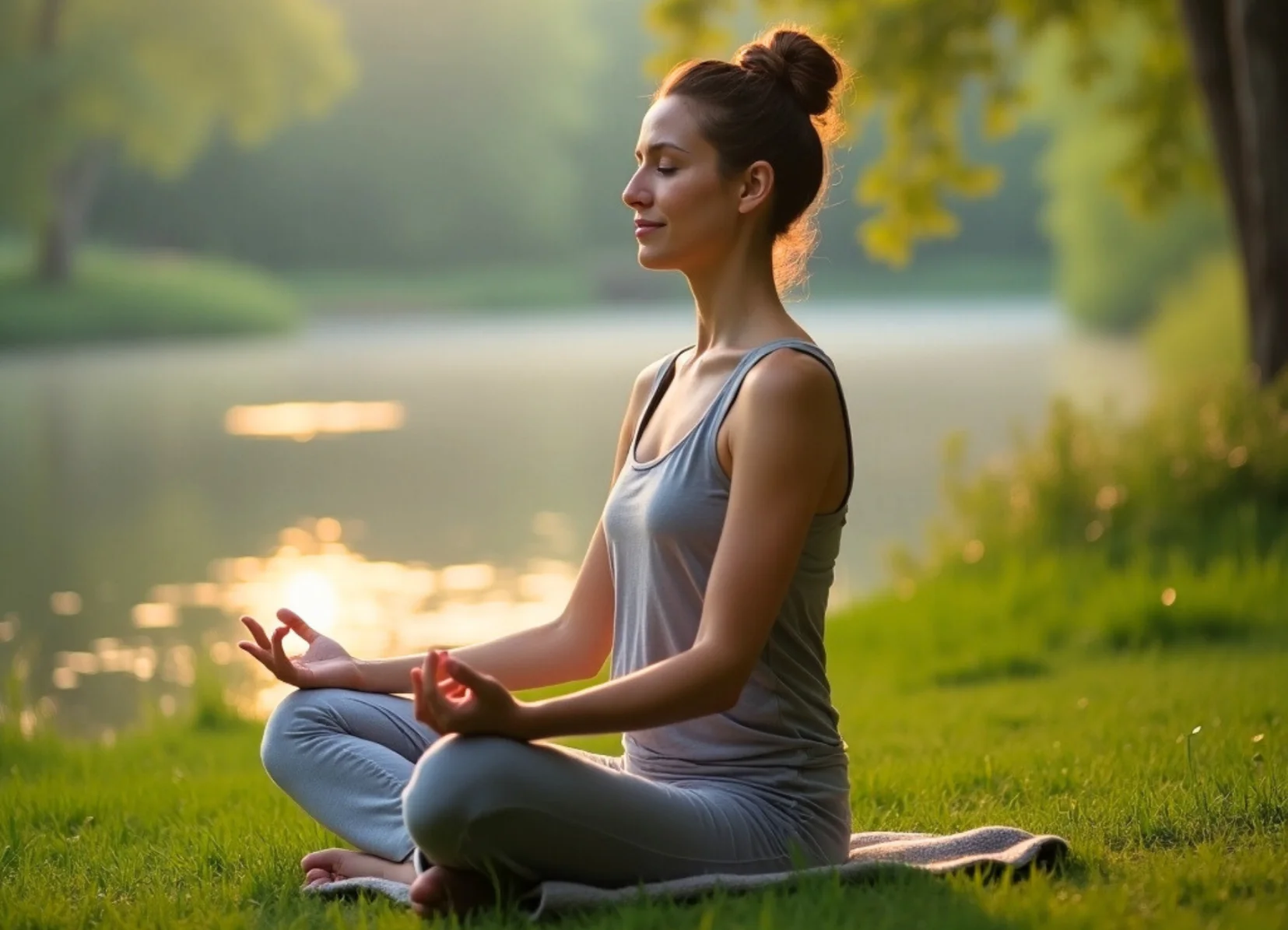
Mindfulness meditation produces structural and functional brain changes that enhance emotional regulation and reduce anxiety symptoms through neuroplasticity.
Neurobiological Changes from Meditation
Amygdala Reactivity: Research shows meditation decreases amygdala activation—the brain’s fear center—by 29% in some studies, with concurrent increases in prefrontal cortex activity for better emotional control.
Cortical Thickness: Just 8 weeks of mindfulness practice increases cortical thickness in brain regions responsible for attention and self-regulation, particularly in the precuneus and posterior cingulate cortex.
Default Mode Network: Long-term meditators spend more time in brain states involving synchrony among regions associated with sensory perception rather than rumination, directly addressing anxiety’s cognitive patterns.
Neurotransmitter Modulation: Meditation enhances GABA activity and improves brain connectivity, leading to improved stress resilience and emotional regulation.
Practical Application
Start with 10-20 minutes daily of focused attention on breath or body sensations. Meta-analyses demonstrate that even brief mindfulness interventions significantly reduce anxiety symptoms, with effects strengthening over time. Apps and guided sessions provide accessible entry points for beginners.
4. Prioritize Quality Sleep: Break the Anxiety Cycle
Sleep and anxiety exist in bidirectional relationship—poor sleep increases anxiety, and anxiety disrupts sleep. Studies reveal that higher pre-sleep cortisol predicts shorter sleep duration and lower sleep efficiency that night.
The Sleep-Cortisol-Anxiety Connection
Cortisol Dysregulation: Sleep deprivation causes your body to secrete more cortisol during the day, perhaps in an effort to stimulate alertness. Even getting 5.5 hours of sleep can cause elevated evening cortisol.
HPA Axis Disruption: Chronic sleep loss leads to maladaptive HPA axis changes, creating neuroendocrine dysregulation that perpetuates anxiety symptoms.
Inflammatory Response: Poor sleep quality increases inflammatory markers like C-reactive protein, which correlate with higher anxiety levels.
Sleep Optimization Strategies
Maintain consistent sleep-wake times, even on weekends. Create a dark, cool bedroom environment (60-67°F). Avoid screens 1-2 hours before bed—blue light suppresses melatonin. Research indicates that establishing a relaxing pre-sleep routine activates parasympathetic nervous system, lowering cortisol naturally.
Target: 7-9 hours nightly. Studies show this duration optimizes cortisol patterns and anxiety resilience.
5. Omega-3 Fatty Acids: Anti-Inflammatory Brain Support
Omega-3 polyunsaturated fatty acids, particularly EPA and DHA, demonstrate significant anxiolytic effects through multiple mechanisms affecting brain structure and function.
Mechanisms of Action
Anti-Inflammatory Effects: Omega-3s reduce pro-inflammatory cytokines including interleukin-6 and tumor necrosis factor-alpha, which are elevated in anxiety states. This modulation occurs through inhibition of nuclear factor-κB pathways.
Neurotransmitter Support: EPA and DHA influence serotonin and dopamine systems, enhancing neurotransmitter synthesis and receptor sensitivity. They also support GABA activity, the brain’s primary calming neurotransmitter.
BDNF Expression: Omega-3s increase brain-derived neurotrophic factor, promoting neuroplasticity and neural growth in regions involved in emotional regulation.
Cortisol Modulation: Supplementation reduces cortisol responses to stress, helping regulate the HPA axis.
Dosage and Sources
Meta-analyses indicate that 1-2g daily of EPA+DHA with at least 60% EPA shows optimal effects for anxiety reduction. Fatty fish (salmon, mackerel, sardines) provide natural sources—aim for 2-3 servings weekly. Quality fish oil supplements offer consistent dosing.
Epidemiological data shows inverse correlations between fish consumption and anxiety prevalence across populations, with benefits appearing around 650mg daily threshold.
6. Magnesium: Nature’s Relaxation Mineral
Magnesium regulates over 300 enzymatic reactions, including neurotransmitter synthesis and stress response modulation. Up to 60% of anxious individuals show magnesium deficiency.
How Magnesium Reduces Anxiety
GABA System Enhancement: Magnesium acts as a GABA receptor agonist, binding to and activating these inhibitory receptors. This produces neuronal hyperpolarization and a calming effect similar to benzodiazepines but without addiction risk.
Glutamate Inhibition: Magnesium blocks NMDA receptors, reducing excitatory neurotransmitter activity. This prevents neuronal hyperexcitability that manifests as anxiety.
Cortisol Regulation: Supplementation decreases cortisol levels and helps normalize HPA axis function, breaking the stress-magnesium depletion cycle.
Neurotransmitter Balance: Magnesium reduces presynaptic release of stress hormones like epinephrine and norepinephrine while supporting serotonin function.
Supplementation Guidelines
Systematic reviews suggest 200-400mg daily of elemental magnesium shows benefits for anxiety symptoms. Magnesium glycinate and magnesium threonate offer superior absorption and brain penetration. 45% of stressed adults consume less than recommended amounts, making supplementation particularly relevant.
Food sources include leafy greens, nuts, seeds, legumes, and whole grains. Combining dietary sources with supplementation provides optimal support.
7. Nature Exposure: The Biophilic Effect
Regular exposure to natural environments produces measurable anxiety reduction through multiple psychological and physiological pathways.
The Science Behind Nature’s Calming Effect
Cortisol Reduction: Studies demonstrate that spending time in nature decreases salivary cortisol and stress hormone levels, with forest bathing (Shinrin-yoku) showing particularly strong effects.
Attention Restoration: Natural environments engage involuntary attention, allowing the prefrontal cortex—the brain’s executive control center—to rest and recover from directed attention fatigue that contributes to anxiety.
Parasympathetic Activation: Nature exposure increases heart rate variability and shifts autonomic balance toward parasympathetic dominance, directly opposing anxiety’s sympathetic activation.
Practical Implementation
Time Required: Just 20 minutes three times weekly in natural settings produces measurable benefits. A 2023 study found daily virtual nature exposure over several weeks decreased anxious arousal by 29%.
Urban Solutions: Parks, green spaces, or even nature videos provide benefits when outdoor access is limited. Combining nature exposure with walking amplifies effects through dual mechanisms.
Enhanced Benefits: Mindful engagement with nature—actively noticing sights, sounds, and sensations—increases benefits compared to passive exposure.
The Bottom Line
Natural anxiety reduction strategies work by modulating the same physiological systems targeted by medication, but through gentler, side-effect-free mechanisms:
- Exercise decreases anxiety symptoms by 42-60% through neurotransmitter production, HPA axis regulation, and neuroplasticity enhancement—aim for 150 minutes weekly
- Controlled breathing activates parasympathetic response, increasing HRV by 40% and reducing cortisol by 23%—practice 10-20 minutes daily
- Mindfulness meditation reduces amygdala reactivity by 29% and increases cortical thickness in emotional regulation centers—start with 10-20 minutes daily
- Quality sleep (7-9 hours) normalizes cortisol patterns and prevents HPA axis dysregulation that perpetuates anxiety
- Omega-3 fatty acids (1-2g EPA+DHA daily) reduce inflammation, support neurotransmitter systems, and enhance BDNF expression
- Magnesium (200-400mg daily) activates GABA receptors, blocks excitatory NMDA receptors, and regulates stress hormone release
- Nature exposure (20 minutes, three times weekly) decreases cortisol, activates parasympathetic nervous system, and restores attention capacity
These interventions work synergistically—combining multiple approaches produces compounding benefits. While effects may be subtle initially, consistency yields significant long-term improvements in anxiety symptoms and overall stress resilience.
Important note: Severe anxiety requires professional evaluation. These natural methods work best for mild-to-moderate symptoms or as complementary approaches alongside conventional treatment.