

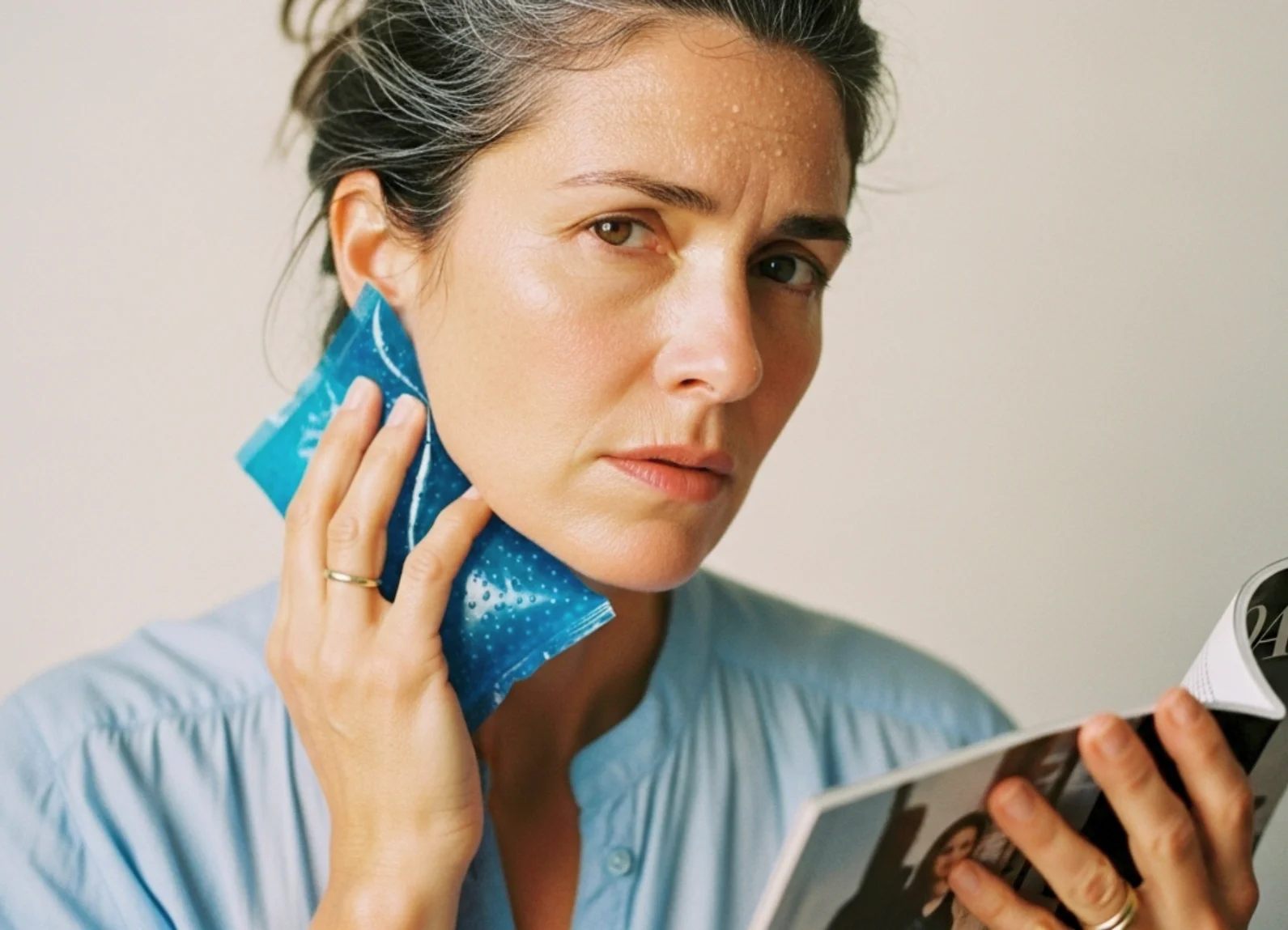
More than 80% of women experience vasomotor symptoms during menopause, with hot flashes disrupting sleep, work, and quality of life for years. While hormone replacement therapy (HRT) remains effective, concerns about breast cancer, blood clots, and cardiovascular risks drive many women toward non-hormonal alternatives. Evidence-based options exist—from clinical hypnosis reducing hot flashes 74% to cognitive behavioral therapy improving daily interference significantly.
Understanding Menopause Symptoms
Menopause occurs naturally between ages 45-55 (average 52) when menstrual periods cease permanently. Vasomotor symptoms affect 40-50 million American women, with median duration of 4 years—though symptoms can persist 15+ years in some cases.
Common symptoms include:
- Hot flashes and night sweats – sudden heat rushes with increased heart rate, sweating, anxiety
- Sleep disturbances – interrupted sleep from night sweats, difficulty falling asleep
- Mood changes – irritability, anxiety, depression
- Cognitive issues – brain fog, memory problems, difficulty concentrating
- Physical changes – vaginal dryness, decreased libido, joint pain
- Metabolic shifts – weight gain, especially abdominal fat
The intensity varies dramatically between individuals and cultures. Only 15% of Japanese women report significant hot flashes compared to 80-85% of Western women—differences potentially linked to dietary phytoestrogen intake.
Clinical Hypnosis: The Most Effective Mind-Body Intervention
Clinical hypnosis consistently demonstrates the most impressive results among behavioral interventions for menopause symptoms. Unlike cognitive behavioral therapy, hypnosis affects both subjective experience and physiologically-measured hot flashes.
A landmark 2013 randomized controlled trial of 187 postmenopausal women showed clinical hypnosis reduced hot flash frequency by 74% compared to 17% for controls. Hot flash scores (frequency × severity) decreased 80% versus 15% for structured attention control. These results were maintained at 12-week follow-up.
Recent 2024 scoping review analyzing 23 studies found hypnosis achieved 60% reduction in physiologically-measured hot flashes—the first behavioral intervention demonstrating objective improvements beyond placebo effects.
How hypnosis works: Five weekly 50-minute sessions with a trained hypnotherapist, including relaxation induction, deepening techniques, and post-hypnotic suggestions for coolness. Women practice self-hypnosis at home using audio recordings featuring cooling imagery (mountain streams, snowy paths). Treatment satisfaction averaged 9.3/10.
Accessibility has improved dramatically. Smartphone apps like Evia now deliver evidence-based hypnotherapy protocols, reducing costs from $500+ per month for traditional therapy to accessible digital options. Hypnosis produces no side effects and may influence the hypothalamic thermoregulatory center directly.
Cognitive Behavioral Therapy for Symptom Management
Cognitive behavioral therapy (CBT) effectively reduces the bothersomeness and daily interference of menopausal symptoms through 4-6 weekly sessions—deliverable in-person, self-help book, or online format.
The MENOS trials established CBT efficacy. MENOS1 (96 breast cancer survivors) and MENOS2 (140 menopausal women) demonstrated significant reductions in hot flash problem ratings regardless of age, BMI, menopause status, or baseline psychological factors. Women completing homework assignments achieved greatest improvements.
CBT works by changing cognitive appraisals—beliefs about coping with and controlling hot flashes. Women learn to replace catastrophic thoughts (“I can’t take this anymore”) with adaptive responses (“This is unpleasant but will pass in moments”). Improvements in problem ratings occurred through cognitive changes, not mood alterations.
CBT components include:
- Psychoeducation about menopause physiology and symptom triggers
- Paced breathing techniques (6-8 breaths per minute)
- Stress management and relaxation training
- Cognitive restructuring to challenge negative automatic thoughts
- Behavioral strategies for sleep hygiene and lifestyle modification
A 2019 randomized controlled trial showed 12 weekly CBT sessions significantly improved hot flashes, depression, sleep difficulties, and sexual concerns. CBT particularly excels at reducing stress and daily interference, making symptoms less disruptive even when frequency remains unchanged.
Self-help CBT manuals provide accessible alternatives—working women using 4-week guided booklets experienced sustained symptom reduction at 20-week follow-up.
Exercise: Aerobic and Resistance Training Benefits
Regular moderate-intensity physical activity reduces vasomotor symptoms through multiple mechanisms—elevated endorphins regulating thermoregulation, improved cardiovascular function, stress reduction, and metabolic benefits.
Exercise recommendations:
- Aerobic exercise: 150 minutes weekly moderate-intensity activity (brisk walking, swimming, cycling)
- Resistance training: 2-3 sessions weekly targeting major muscle groups
- Combination approaches: Optimal for comprehensive symptom management
A 6-month aerobic intervention in sedentary postmenopausal women (50 minutes, 4x weekly) significantly decreased nighttime hot flashes, mood swings, and irritability. Meta-analysis of resistance training revealed significant reductions in both frequency and severity of hot flashes in postmenopausal women.
Beyond vasomotor symptoms, exercise provides:
- Bone density maintenance—critical as estrogen deficiency increases osteoporosis risk
- Mood improvement and anxiety reduction
- Better sleep quality despite night sweats
- Weight management and metabolic health
- Cardiovascular protection
- Enhanced overall quality of life
Women with high physical activity levels report less severe menopausal symptoms than inactive women. Yoga and walking show particular promise, with 16-week programs demonstrating sustained symptom improvements.
Caveat: Individual responses vary. Some women report exercise triggering hot flashes initially—starting gradually with moderate intensity minimizes this effect. Evidence suggests acute moderate-intensity exercise may decrease hot flashes while vigorous exercise above accustomed levels may temporarily increase symptoms.
Phytoestrogens and Dietary Approaches
Plant compounds with estrogen-like properties—primarily soy isoflavones—offer modest symptom relief with mixed research findings. Asian populations consuming traditional soy-rich diets report significantly fewer hot flashes than Western women.
Meta-analysis of 19 clinical trials showed soy isoflavones (median 54mg daily, 6 weeks to 12 months) reduced hot flash frequency 21% and severity 26% compared to placebo. However, placebo effects averaged 20% reduction—demonstrating soy’s modest 25% additional benefit.
Dietary phytoestrogen sources:
- Soybeans and soy products – tofu, tempeh, edamame, soy milk (40-60mg isoflavones per serving)
- Flaxseeds – lignans converted to enterolignans with estrogenic activity (1-2 tablespoons ground daily)
- Legumes – chickpeas, lentils, beans contain lower isoflavone concentrations
- Whole grains – wheat, oats, barley provide lignans
Important considerations: Soy isoflavones require 48 weeks to reach 80% maximum efficacy—significantly slower than estrogen therapy (12 weeks). Individual intestinal bacterial composition affects isoflavone metabolism, creating wide variation in response.
Supplements versus food sources: Extracted isoflavone supplements (40-120mg daily) show more consistent results than whole soy foods in trials. However, some studies in breast cancer survivors found no benefit over placebo, raising questions about efficacy in specific populations.
Safety profile appears favorable for moderate consumption, though women with hormone-sensitive breast cancer should consult oncologists before using concentrated supplements.
Lifestyle Modifications That Work
Simple environmental and behavioral changes reduce symptom frequency and severity without medical intervention.
Temperature management:
- Keep bedroom cool (60-67°F) using fans, cooling mattress pads
- Wear breathable cotton/linen layers easily removed
- Use moisture-wicking pajamas and bedding
- Cooling gel pillows and mattress toppers show promise
Dietary triggers to minimize:
- Spicy foods – capsaicin triggers vasodilation
- Caffeine – stimulates nervous system, may worsen symptoms
- Alcohol – peripheral vasodilation increases hot flash likelihood
- Hot beverages – raise core body temperature
- Large meals – metabolic heat production
Stress reduction techniques:
- Paced breathing – slow, deep diaphragmatic breathing at 6-8 breaths per minute
- Meditation and mindfulness – 10-20 minutes daily practice
- Yoga – combines physical activity, breathing, and relaxation
- Progressive muscle relaxation – systematic tension-release of muscle groups
Stress management directly impacts hot flash frequency through sympathetic nervous system modulation. Women practicing regular relaxation techniques report fewer bothersome symptoms.
Weight management: Maintaining healthy BMI reduces symptom severity—excess adipose tissue affects hormone metabolism and thermoregulation.
Supplements and Herbal Approaches
Evidence for herbal remedies remains inconsistent, with significant placebo effects complicating interpretation. The menopause placebo effect reaches 40%, making proper clinical trials essential.
Black cohosh – Most studied herbal remedy. Limited evidence supports efficacy for hot flashes, though generally well-tolerated. Rare cases of serious liver damage reported—monitor liver function if using. Typical dose 40-80mg daily.
Red clover – Contains isoflavones. Studies show minimal benefit beyond placebo in most trials.
Evening primrose oil – Gamma-linolenic acid theoretically beneficial. Clinical trials demonstrate no significant hot flash reduction versus placebo.
Vitamin E – Some women report modest improvement at 400-800 IU daily. Research shows inconsistent results.
Omega-3 fatty acids – May reduce hot flash frequency and improve mood. Fish oil 1-2g daily shows promise in small studies.
Critical cautions: “Natural” doesn’t mean safe. Herbs interact with medications (St. John’s wort notably problematic), quality varies between manufacturers, and supplements lack FDA regulation. Professional guidelines recommend against routine use of most supplements due to insufficient evidence.
Women should disclose all supplement use to healthcare providers—most don’t, creating potential safety risks.
When to Seek Medical Help
Consult healthcare providers when:
- Symptoms severely impact daily functioning, work, or relationships
- Sleep disruption causes chronic fatigue or mood problems
- Natural methods provide insufficient relief after 3-6 months
- Symptoms worsen or new concerning issues emerge
- Vaginal bleeding occurs after 12+ months without periods
- Bone density concerns or fracture risk factors present
- Depression, anxiety, or mood changes become unmanageable
Prescription non-hormonal options include:
- Selective serotonin reuptake inhibitors (SSRIs) – paroxetine 7.5mg reduces hot flashes 45-60%
- Gabapentin – 300mg three times daily decreases symptoms 45%
- Fezolinetant (Veozah) – neurokinin receptor antagonist, FDA-approved 2023, reduces hot flashes ~60%
Combining natural approaches with medical treatment often yields best results. Integrative care respects patient preferences while ensuring safety and efficacy.
The Bottom Line
- Clinical hypnosis achieves 74% hot flash reduction—the most effective behavioral intervention with objective physiological improvements
- Cognitive behavioral therapy reduces daily interference through cognitive restructuring, particularly effective for stress and sleep
- Exercise provides comprehensive benefits—150 minutes weekly moderate activity plus resistance training 2-3x weekly
- Soy isoflavones offer modest 20-26% symptom reduction beyond placebo but require 48 weeks for full effect
- Lifestyle modifications (cooling environment, trigger avoidance, stress reduction) create foundation for symptom management
- Placebo effect reaches 40% for menopause treatments—making rigorous clinical trials essential for evaluating true efficacy
- Most herbal supplements lack strong evidence despite widespread use; black cohosh shows most promise with caution
- Combination approaches work best—integrating mind-body techniques, exercise, diet, and lifestyle changes
Multiple effective non-hormonal options exist for women who cannot or prefer not to use HRT. Individual response varies—experiment under medical guidance to find optimal personal approach.