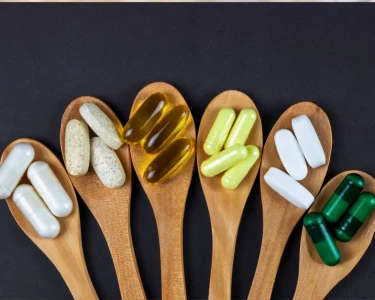


Turmeric supplements are generally safe for most people, but excessive consumption can trigger serious health complications ranging from digestive distress to organ damage. While millions consume this golden spice for its anti-inflammatory benefits, understanding the risks becomes critical when moving from culinary use to high-dose supplementation.
The Bioavailability Problem That Increases Risk
Manufacturers now enhance curcumin absorption using piperine (black pepper) or lipid nanoparticle delivery systems, dramatically increasing bioavailability —and potentially toxicity. When combined with black pepper, curcumin bioavailability can increase 2000%, potentially equivalent to consuming 29 cups of turmeric daily. This enhanced absorption creates blood concentrations that trigger adverse effects rarely seen with dietary turmeric use.
1. Digestive System Disruption
Diarrhea and stomach pain represent the most commonly reported turmeric side effects, with studies showing nearly 1 in 5 participants experiencing diarrhea when taking 500mg for 8 weeks.The mechanism involves curcumin’s stimulation of bile production. One study found consuming approximately 1 teaspoon (2.8g) of turmeric daily for just 30 days resulted in diarrhea in 2 out of 22 participants.
Digestive side effects include:
- Stomach upset and cramping
- Nausea (12 out of 24 participants in one study taking 1,000mg curcumin daily)
- Diarrhea
- Acid reflux
- Constipation
- Bloating
These effects intensify at higher doses, particularly above 1,000mg daily.
2. Kidney Stone Formation Risk
Turmeric consumption can significantly increase urinary oxalate levels, thereby increasing risk of kidney stone formation in susceptible individuals. The concern centers on oxalate content.
The oxalate problem: Turmeric contains 91% water-soluble oxalates, compared to cinnamon’s 6%, meaning the body absorbs nearly all of turmeric’s oxalate content. Calcium oxalate accounts for approximately 75% of all kidney stones.
Studies using supplemental doses providing 55mg oxalate per day showed significantly elevated urinary oxalate excretion from turmeric. Those prone to kidney stones should restrict total dietary oxalate to less than 40-50mg daily—no more than a teaspoon of turmeric.
A case report documented oxalate nephropathy in a 69-year-old man with chronic turmeric supplementation, demonstrating this isn’t merely theoretical risk.
Who’s most vulnerable:
- Previous kidney stone formers
- Those with gout
- People on chronic antibiotics (depletes oxalate-metabolizing gut bacteria)
- Individuals with existing kidney dysfunction
3. Liver Injury from Enhanced Formulations
The Australian TGA received 18 reports of liver problems from turmeric/curcumin products through June 2023, with increasing concern about enhanced-absorption formulations.
Turmeric has become the most common cause of clinically apparent, herbal-related liver injury in the United States, with most cases attributed to highly bioavailable forms of curcumin.The incidence remains rare—estimated at 1:10,000 to 1:100,000 exposed persons—but consequences can be severe.
Liver damage mechanism: Recent research shows turmeric-induced liver injury closely associates with the HLA allele B*35:01, found in over 70% of cases compared to 10-15% of controls, suggesting genetic susceptibility creates idiosyncratic, possibly immune-mediated injury.
One documented case involved a 62-year-old woman taking 500mg turmeric extract daily for 14 months who developed fatigue, dark urine, and jaundice with severely elevated liver enzymes (ALT 1230 U/L, AST 1628 U/L).
Warning signs of liver injury:
- Fatigue and weakness
- Nausea and poor appetite
- Dark urine
- Jaundice (yellowing of skin/eyes)
- Abdominal pain
The risk appears higher for products with enhanced absorption or bioavailability and higher doses, particularly formulations containing piperine or specialized delivery systems.
4. Dangerous Bleeding and Blood-Thinning Effects
Turmeric interferes with blood clotting, potentially increasing the risk of bruising and bleeding in people with bleeding disorders or those taking anticoagulant medications.
High-risk medication combinations:
- Warfarin (Coumadin, Jantoven)
- Aspirin
- Clopidogrel (Plavix)
- Heparin
- Newer anticoagulants (Xarelto, Eliquis)
Patients requiring surgery, dental work, or medical procedures should stop turmeric at least 2 weeks beforehand. Drugs.com The blood-thinning effect, while potentially beneficial for cardiovascular health in some contexts, creates serious risk when combined with other anticoagulants or in individuals with clotting disorders.
5. Extensive Drug Interactions
Turmeric affects liver enzymes responsible for metabolizing medications, altering drug effectiveness and side effect profiles.
Medications with concerning interactions:
- Diabetes medications: Turmeric lowers blood sugar levels; combined with diabetes drugs, this can cause dangerously low blood glucose requiring close monitoring.
- Amlodipine: Turmeric increases amlodipine absorption, potentially intensifying effects and side effects.
- Sulfasalazine: Increased absorption may amplify both therapeutic and adverse effects.
- Tamoxifen: Turmeric may decrease tamoxifen levels, reducing cancer treatment effectiveness.
- Methotrexate: Combined use increases liver damage risk.
Turmeric can also harm the liver when combined with certain medications for infections, birth control, high cholesterol, seizures, pain, or arthritis (including Advil).
6. Iron Absorption Interference
Turmeric can make it harder for the body to absorb iron, creating particular concern for those at risk of iron deficiency.
Most vulnerable populations:
- Vegetarians and vegans relying on plant-based iron sources
- Individuals with existing iron deficiency or anemia
- Pregnant women with increased iron needs
- Those with malabsorption conditions
Excessive turmeric consumption, especially when combined with a diet lacking in iron, may significantly hinder heme iron absorption necessary for blood cell production and overall health.
Safe Dosage Guidelines
Most research uses 500mg to 2,000mg daily as the recommended range, with safety data extending up to 2-3 months for conventional formulations.
Practical limits:
- Limit turmeric intake to less than 1 teaspoon (2-3g) powder daily if using regularly.
- Traditional Indian diets include up to a teaspoon daily, with human studies ranging from 1/16 teaspoon to 2 tablespoons daily for over a month.
- Cooking with turmeric in typical culinary amounts is unlikely to cause adverse effects.
Who Should Avoid Turmeric Supplements
Absolute contraindications:
- Existing or previous liver problems
- Active gallbladder disease or bile duct obstruction
- Known bleeding disorders
- Pregnancy (medicinal amounts)
- Scheduled surgery within 2 weeks
Use with caution:
- History of kidney stones
- Taking blood thinners or anticoagulants
- Diabetes medication users
- Iron deficiency or anemia
- Hormone-sensitive conditions (endometriosis, certain cancers)
The Bottom Line
Key takeaways:
- Turmeric as a spice remains generally safe—problems arise primarily with high-dose supplements
- Enhanced bioavailability formulations carry increased risk—especially those containing piperine or specialized delivery systems
- Most vulnerable: those with kidney stone history, liver problems, or taking blood thinners
- Stay below 1 teaspoon daily for regular use; consult healthcare providers before exceeding recommended ranges
- Quality matters—choose third-party tested supplements to avoid contaminants
- Monitor for warning signs—dark urine, jaundice, unusual bleeding, or severe digestive symptoms warrant immediate medical attention
Turmeric offers legitimate health benefits, but the shift from culinary spice to concentrated supplement transforms its risk profile. Understanding these six serious side effects enables informed decisions about supplementation while maximizing benefits and minimizing harm.