
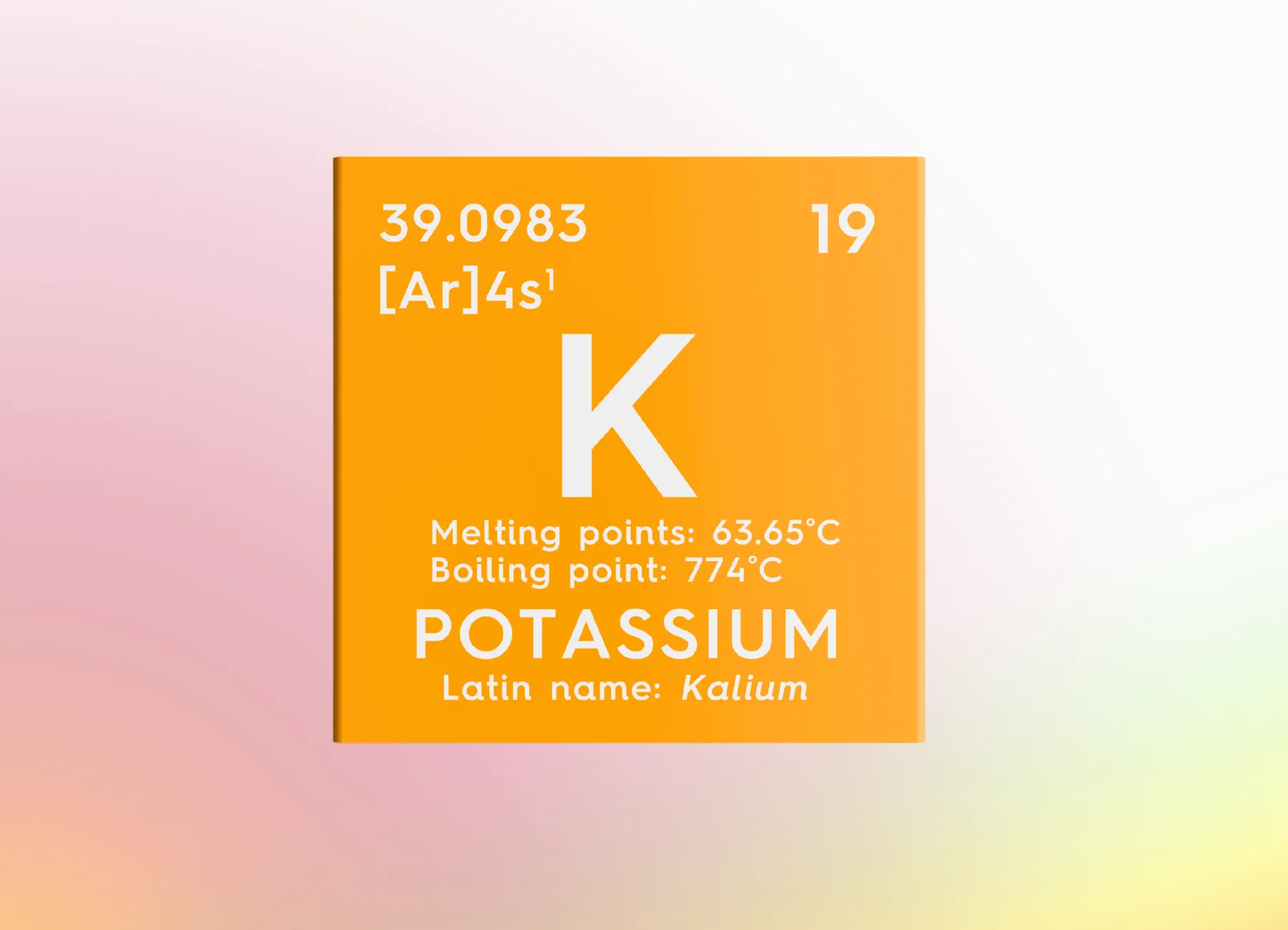
Bananas get all the credit for potassium, but they shouldn’t. A medium banana contains 422mg of potassium—roughly 9% of your daily needs. Dozens of other foods deliver significantly more potassium per serving, and most Americans fall short of the recommended 2,600-3,400mg daily intake.
Studies confirm that adequate potassium intake reduces blood pressure, with research showing systolic blood pressure dropping by 4.48mmHg and diastolic by 2.96mmHg in people consuming optimal amounts. Yet 88% of Americans fail to meet recommended potassium requirements, creating a widespread deficiency that increases cardiovascular disease risk.
Why Potassium Matters More Than You Think
Potassium regulates fluid balance, nerve signals, and muscle contractions. Every heartbeat depends on proper potassium levels to maintain electrical conductivity in cardiac tissue.
The mineral works as a natural counterbalance to sodium. Research demonstrates that potassium helps dilate blood vessels and reduce sodium’s negative effects, making it essential for cardiovascular health. Higher potassium intake correlates with reduced stroke risk and lower rates of kidney stone formation.
Deficiency symptoms include:
- Muscle weakness and cramps
- Fatigue and lethargy
- Abnormal heart rhythms
- Constipation and digestive issues
- Elevated blood pressure
Hypokalemia affects approximately 20% of hospitalized patients and remains one of the most common electrolyte imbalances. Severe deficiency below 2.5mmol/L can cause paralysis and respiratory failure.
1. Potatoes: The Potassium Powerhouse
One medium baked potato with skin delivers 926mg of potassium—more than twice what a banana provides. That’s 26% of the daily value in a single serving.
Potatoes also provide 5g fiber, 4g protein, vitamin C, and magnesium. The skin contains concentrated nutrients, so leaving it intact maximizes potassium content. Sweet potatoes offer 542mg per medium potato, plus high levels of vitamin A and beta-carotene.
Both varieties rank as the highest natural sources of potassium available. Including potatoes in regular rotation ensures consistent potassium intake without supplements.
2. White Beans: Double the Potassium
One cup of cooked white beans contains 1,004mg of potassium—exactly twice the amount in a banana. The same serving delivers 21% of daily potassium needs.
Beans provide complete nutrition beyond potassium: 17g protein, 12g fiber, iron, and B vitamins. Black beans, kidney beans, and adzuki beans all exceed 1,000mg per cup. Legumes represent one of the most potassium-dense food categories while supporting blood sugar control and digestive health.
Add beans to salads, soups, burritos, and grain bowls for consistent potassium intake throughout the week.
3. Spinach: Concentrated Mineral Content
One cup of cooked spinach provides 839mg of potassium plus exceptional amounts of iron, magnesium, vitamin K, and folate. Raw spinach contains less per volume, but cooking concentrates nutrients significantly.
The mineral density in leafy greens supports cardiovascular function while providing antioxidants that reduce inflammation. Swiss chard offers similar potassium levels at 961mg per cooked cup.
Sauté spinach with garlic, blend into smoothies, or layer in lasagna for versatile potassium boost.
4. Avocados: Healthy Fats Meet High Potassium
Half an avocado delivers 487mg of potassium along with 15g heart-healthy monounsaturated fats. This combination supports cardiovascular health through multiple mechanisms—potassium regulates blood pressure while healthy fats reduce inflammation.
Avocados provide 10g fiber per whole fruit, making them excellent for digestive health. The creamy texture works in both sweet and savory applications, from toast to smoothies to salads.
One whole avocado nearly matches a banana’s potassium content while offering substantially more nutritional complexity.
5. Beets: Nitrate-Rich Blood Pressure Support
One cup of cooked beets contains 518mg of potassium plus unique compounds called betalains—powerful antioxidants responsible for beets’ deep red color. Research indicates beet consumption lowers blood pressure through dietary nitrates that improve blood flow.
Beets provide folate, fiber, and manganese. Both the roots and greens contain high potassium levels—beet greens offer 1,309mg per cooked cup.
Roast beets with olive oil, add to salads, or blend into smoothies. The earthy flavor pairs well with citrus and goat cheese.
6. Acorn Squash: Seasonal Potassium Source
One cup of cooked acorn squash provides 896mg of potassium—over double a banana’s content. The entire squash is edible, including the skin when roasted, making it a zero-waste option.
Acorn squash delivers 9g fiber and 145% daily value of vitamin A. Other winter squashes like butternut and pumpkin contain similar potassium levels, with canned pumpkin offering 505mg per cup.
Roast halves stuffed with legumes and vegetables for a complete high-potassium meal.
7. Coconut Water: Natural Electrolyte Beverage
One cup of coconut water contains 600mg of potassium—significantly more than sports drinks and without added sugars or artificial ingredients. The natural electrolyte balance makes it ideal for rehydration after exercise.
Coconut water absorption occurs rapidly, delivering potassium directly to the bloodstream faster than solid foods. It provides a clean alternative to synthetic electrolyte products.
Drink plain, mix with citrus juice for enhanced vitamin C absorption, or use as a smoothie base.
8. Halibut: Lean Protein With Potassium
A 3oz cooked serving of halibut provides 490mg of potassium alongside 23g protein and omega-3 fatty acids. While slightly less than a banana, the protein and healthy fat content make it nutritionally superior.
Salmon, tuna, and cod offer similar potassium levels with additional cardiovascular benefits. Fish consumption correlates with reduced heart disease risk through combined effects of potassium, omega-3s, and lean protein.
Grill, bake, or pan-sear fish with herbs for easy high-potassium dinners twice weekly.
The Bottom Line
Key takeaways:
- Adults need 2,600-3,400mg potassium daily; most Americans consume only half this amount
- Potassium reduces blood pressure by an average of 4.48/2.96mmHg in hypertensive individuals
- Potatoes contain 926mg per serving—the highest natural potassium source
- White beans deliver twice the potassium of bananas in one cup
- Variety ensures adequate intake—combine multiple high-potassium foods daily
- Deficiency affects 20% of hospitalized patients and causes muscle weakness, fatigue, and abnormal heart rhythms
Focus on whole foods rather than supplements. Combining several potassium-rich foods each day—potatoes at dinner, beans at lunch, spinach in smoothies, coconut water post-workout—naturally meets requirements without the cardiac risks associated with excessive supplementation.