
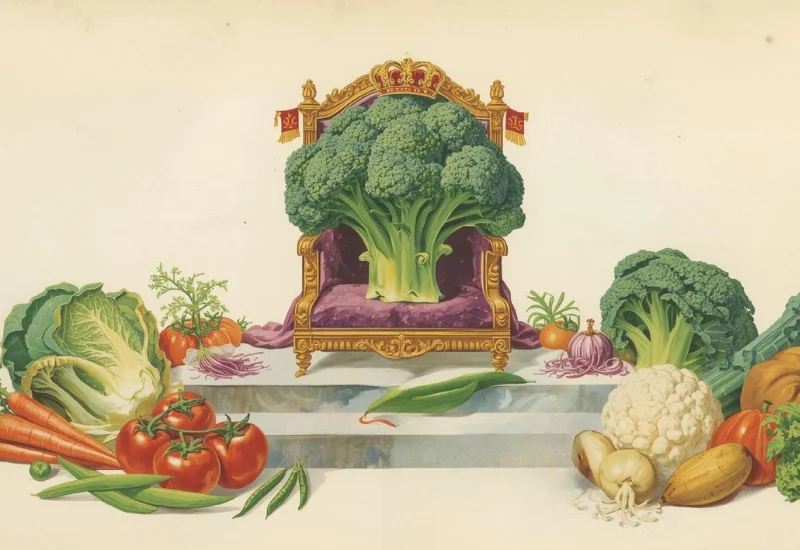
Your mother was right—you really should eat your broccoli. This unassuming green vegetable has earned its reputation as a superfood through decades of scientific research confirming its remarkable health benefits.
Broccoli contains more than 200 bioactive compounds that work together to protect your body against disease. From cancer prevention to heart health, this cruciferous vegetable delivers exceptional nutritional value whilst remaining remarkably low in calories.
The key lies in a powerful compound called sulforaphane, which researchers have dubbed “green chemoprevention” for its ability to fight disease naturally. Here are seven compelling reasons to add more broccoli to your plate.
1. Powerful Cancer-Fighting Properties
Sulforaphane in broccoli has demonstrated effectiveness against multiple types of cancer, including prostate, breast, colon, skin, and oral cancers. This compound works by activating detoxification enzymes whilst suppressing cancer cell growth.
How it works: When you chew raw or lightly cooked broccoli, an enzyme called myrosinase converts glucoraphanin into sulforaphane. This active compound then reduces cancer stem cells by 65-80% in breast cancer models and inhibits tumor growth in multiple cancer types.
Research from UCLA Health in 2023 found that eating cruciferous vegetables three times weekly can decrease cancer risk by more than 50%. Broccoli sprouts contain even higher concentrations—up to 100 times more glucoraphanin than mature broccoli.
2. Exceptional Immune System Support
One cup of broccoli provides over 90% of your daily vitamin C requirements, making it one of the most potent immune-boosting vegetables available.
The immune advantage: Vitamin C stimulates white blood cell production whilst acting as a powerful antioxidant. Combined with sulforaphane and other antioxidants, broccoli creates a robust defense shield against infections and inflammation.
The glucosinolates in broccoli also support immune function by reducing chronic inflammation—a key factor in disease development.
3. Heart Disease Protection
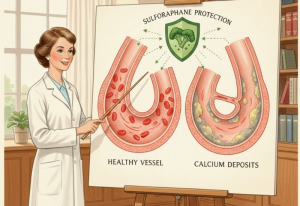
Broccoli supports cardiovascular health through multiple mechanisms. The sulforaphane activates cellular pathways that reduce calcium buildup in blood vessels, a major risk factor for heart attack and stroke.
Cardiovascular benefits:
-
- Reduces LDL cholesterol oxidation
-
- Lowers blood pressure naturally
-
- Decreases arterial inflammation
-
- Prevents calcium deposits in vessel walls
- Prevents calcium deposits in vessel walls
Regular consumption helps reduce markers of oxidative stress that damage heart tissue. The fiber content (5g per cup) also supports healthy cholesterol levels by binding to bile acids in the digestive tract.
4. Blood Sugar Regulation for Diabetics
Studies show broccoli consumption supports better blood sugar control in people with Type 2 diabetes. The mechanism involves broccoli’s antioxidant content reducing cellular damage whilst improving insulin sensitivity.
Participants consuming broccoli regularly demonstrated improved fasting glucose levels and better long-term blood sugar management. The high fiber content also slows sugar absorption, preventing dangerous spikes after meals.
5. Digestive Health and Gut Protection
Broccoli supports your digestive system through multiple pathways. The fiber content promotes regular bowel movements, whilst specialized compounds help repair and protect the intestinal lining.
Gut health benefits:
-
- Increases beneficial bacteria populations
-
- Reduces harmful bacteria
-
- Protects against H. pylori infections
-
- Supports healthy gut lining integrity
-
- Reduces bloating and discomfort
A 2017 human study found that people eating broccoli regularly experienced easier bowel movements and reduced digestive issues compared to control groups.
Additionally, sulforaphane inhibits Helicobacter pylori growth—the bacterium responsible for stomach ulcers and linked to gastric cancer development.
6. Bone Health Support
Broccoli provides excellent nutritional support for maintaining strong bones throughout life. One cup delivers approximately 100mg of calcium along with substantial vitamin K—both crucial for bone density.
Vitamin K plays a vital role in calcium regulation and bone mineralization. Deficiency increases fracture risk, particularly in older adults. The calcium, phosphorus, and zinc in broccoli work synergistically to maintain bone strength.
7. Natural Detoxification Support
Your liver relies on specific enzyme systems to neutralize toxins, and broccoli activates these detoxification pathways through sulforaphane’s action on the Nrf2 pathway.
Detoxification mechanisms:
-
- Activates Phase 2 detoxification enzymes
-
- Promotes toxin elimination
-
- Protects liver cells from damage
-
- Neutralizes harmful free radicals
This natural detoxification support helps your body process environmental pollutants, food additives, and metabolic waste products more efficiently.