

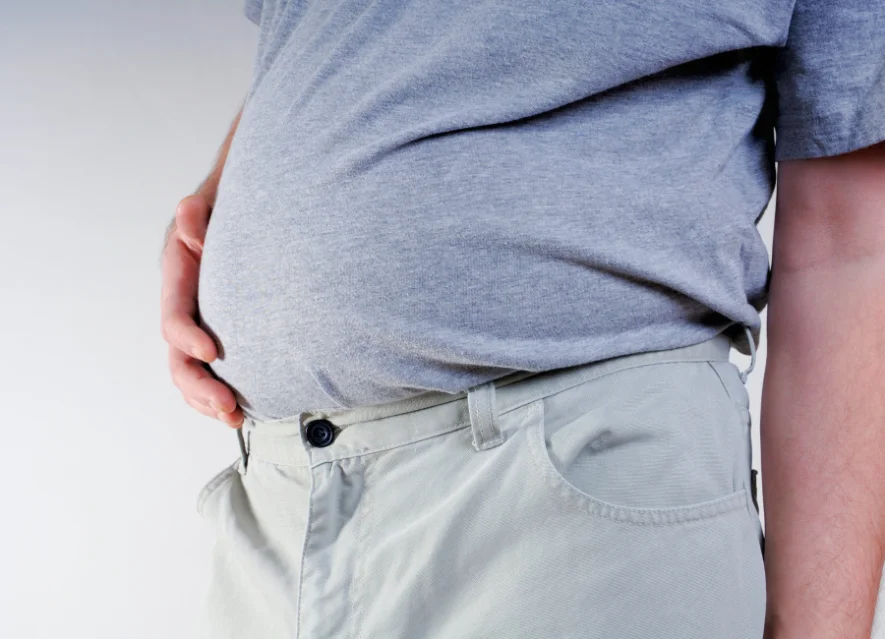
Bloating affects 15-30% of Americans weekly—that tight, uncomfortable feeling when your abdomen swells and fills with trapped gas. While bloating rarely signals serious health issues, the discomfort can significantly impact daily life. These five evidence-based methods provide fast relief, with some working within 30 minutes.
The Science Behind Bloating
Bloating occurs when excess gas accumulates in the digestive tract, causing abdominal pressure and distension. Gas builds up through three primary mechanisms: swallowing air during eating (aerophagia), bacterial fermentation of undigested carbohydrates in the colon, and slowed intestinal transit that allows gas to accumulate rather than pass through.
Research shows that over 90% of IBS patients experience bloating, but the condition affects healthy individuals too. Understanding how different interventions target these mechanisms helps explain why certain methods work faster than others.
Take a 10-15 Minute Post-Meal Walk
Walking after meals is one of the fastest ways to reduce bloating. Research demonstrates that mild physical activity enhances intestinal gas clearance and prevents retention in patients with bloating.
How Walking Works
Physical activity stimulates intestinal peristalsis—the wave-like muscle contractions that move contents through your digestive system. When you walk, abdominal muscle contractions trigger somato-autonomic reflexes that boost propulsive motor activity in the GI tract, accelerating the transit of both gas and food.
A 2021 clinical trial found that participants who took a 10-15 minute walk after each meal experienced superior relief of postprandial bloating compared to those taking prokinetic medications. The walking group showed statistically significant improvements in all gastrointestinal symptoms including belching, flatus, and gas incontinence.
The Technique
- Walk 10-15 minutes within 30 minutes of eating
- Maintain a slow to moderate pace—no intense exercise needed
- A specific technique: walk with neck slightly flexed (45 degrees) and hands clasped behind your back to reduce aerophagia and create passive pressure on the GI tract
- Aim for approximately 1,000 steps
Studies show this simple intervention works as effectively as medication for bloating relief, with the added benefits of improved cardiovascular health and stress reduction.
Use Peppermint Oil Capsules
Peppermint oil delivers rapid relief for bloating, with clinical improvements appearing within 24 hours of the first dose.
Mechanisms of Action
Peppermint oil’s active compound, l-menthol, acts as a smooth muscle calcium channel antagonist, relaxing the muscles in your digestive tract. This reduces cramping and spasms that contribute to bloating. Additionally, peppermint oil provides:
- Carminative effects that help expel gas
- Anti-inflammatory properties that reduce gut inflammation
- Normalization of orocecal transit time
- Kappa opioid agonism for pain relief
The Evidence
A meta-analysis of 835 patients across 12 randomized trials found peppermint oil produced 2.39 times greater improvement in global IBS symptoms compared to placebo. Specifically for bloating, one trial showed that 75% of patients taking peppermint oil experienced a >50% reduction in total IBS symptoms after 4 weeks, compared to only 38% in the placebo group.
A novel formulation study demonstrated 31.3% reduction in abdominal bloating after 28 days versus 19.8% with placebo—and effects began within 24 hours.
Dosage and Usage
- Take enteric-coated capsules containing 0.2-0.4mL of peppermint oil
- Dose three times daily before meals
- Enteric coating prevents heartburn by releasing oil in the small intestine
- Effects typically appear within 24 hours, with maximum benefit at 4 weeks
Peppermint oil is well-tolerated with minimal side effects—occasional heartburn or belching are the most common complaints.
Try Simethicone (Gas-X)
When you need the fastest possible relief, simethicone works within 30 minutes by physically breaking up gas bubbles.
How It Works
Simethicone is a non-systemic surfactant that reduces the surface tension of gas bubbles in the GI tract. By weakening the “skin” holding bubbles together, simethicone causes tiny gas bubbles to coalesce into larger ones that are easier to expel through burping or flatulence.
Importantly, simethicone doesn’t prevent gas formation or get absorbed into the bloodstream—it simply makes existing gas easier to eliminate.
Clinical Evidence
A systematic review of over 5,000 patients found that people taking simethicone had 2.33 times lower odds of experiencing abdominal bloating compared to those without it. Initial clinical trials showed significant improvement in all gas-related symptoms including bloating, fullness, and distension at both day 5 and day 10 evaluations.
Research confirms simethicone is particularly effective for bloating caused by:
- Gas accumulation after meals
- Diarrhea (when combined with loperamide)
- Post-colonoscopy discomfort
Usage Guidelines
- Take 40-125mg after meals and at bedtime
- Maximum daily dose: 500mg
- Available over-the-counter without prescription
- Extremely safe—not absorbed systemically, so no kidney, blood pressure, or blood sugar concerns
- Safe during pregnancy and breastfeeding
The main limitation: simethicone doesn’t help bloating caused by constipation or small bowel obstruction, as it only affects existing gas, not the underlying cause.
Take Targeted Probiotic Strains
Not all probiotics are created equal for bloating relief. Specific strains demonstrate proven efficacy, while others show minimal benefit.
The Microbiome Connection
Gut microbiota dysbiosis plays a central role in bloating, particularly in IBS patients. The wrong balance of bacteria can lead to excess gas production through fermentation of undigested carbohydrates. Probiotics work by:
- Reducing bacterial fermentation of FODMAPs and other poorly absorbed carbohydrates
- Modulating immune function to decrease gut inflammation
- Improving intestinal barrier function to reduce sensitivity
- Altering gut-brain axis signaling that affects bloating perception
Evidence-Based Strains
A comprehensive network meta-analysis identified the most effective probiotics for bloating:
Most Effective Single Strains:
- Bifidobacterium bifidum MIMBb75: 34% of patients achieved primary endpoints (vs. 19% placebo) with significant bloating reduction
- Lactobacillus acidophilus DDS-1: Ranked first for IBS symptom severity (SUCRA score 92.9%)
- Bacillus coagulans MTCC 5856: Among the most effective for pain and bloating
Most Effective Combinations:
- Lactobacillus rhamnosus + Lactobacillus acidophilus: Highest efficacy for quality of life, bloating, and abdominal pain
- Multi-species formulations containing Bifidobacterium longum, B. bifidum, L. acidophilus, L. rhamnosus
Meta-analyses show that probiotics produce 2.14 times greater improvement in general IBS symptoms compared to placebo, with significant effects on distension, bloating, and flatulence.
Dosage and Timeline
- Take 1-10 billion CFU daily (dose varies by strain)
- Effects typically appear within 4 weeks
- Continue for 8-12 weeks for optimal results
- Take consistently—benefits may diminish if stopped
- Strain-specific effects mean you must use the exact strain studied, not just any probiotic
Research suggests combination formulations may be more effective than single strains, and higher doses (>10 billion CFU) show greater benefits for some symptoms.
Perform Abdominal Massage
Self-administered abdominal massage provides relief within 15 minutes by mechanically moving trapped gas through the intestines.
The Mechanism
Abdominal massage works through direct mechanical stimulation of intestinal peristalsis. The clockwise massage motion follows the path of the colon, helping move gas and stool toward the rectum. Additionally, massage:
- Relaxes abdominal muscles that may be holding tension
- Stimulates the vagus nerve, improving gut motility
- Reduces stress that can slow digestion
- Manually mobilizes gas bubbles through pressure
Clinical Evidence
A randomized controlled trial of 123 colonoscopy patients found that 15 minutes of abdominal massage significantly reduced pain scores and abdominal circumference while increasing comfort scores. Bowel sounds returned and bloating resolved in all patients within 15 minutes.
Research on malignant ascites patients showed 15-minute abdominal massage twice daily for 3 days produced the greatest effect on perceived bloating among all measured symptoms. A systematic review confirmed abdominal massage improves gastrointestinal function and decreases abdominal circumference and distension.
The ILU Technique
Follow this evidence-based sequence that traces your colon’s path:
Position: Lie on your back with knees bent, head slightly elevated
The “I” Stroke:
- Use both hands with moderate pressure
- Stroke down from left rib cage to left hip bone
- Repeat 10 times
- This targets the descending colon
The “L” Stroke:
- Start at right rib cage
- Stroke across abdomen below ribs (right to left)
- Then stroke down to left hip bone
- Repeat 10 times
- This follows the transverse colon
The “U” Stroke:
- Begin at right hip bone
- Stroke up to right rib cage
- Across below ribs (right to left)
- Down to left hip bone
- Repeat 10 times
- This traces the entire colon
Duration: 5-15 minutes total, performed in a clockwise direction only (following natural intestinal flow)
Massage is generally safe but avoid if pregnant, have abdominal wounds, or recent abdominal surgery.
The Bottom Line
Fast bloating relief is achievable through evidence-based methods:
- Walking 10-15 minutes after meals enhances gas clearance through natural peristalsis—works as well as medication
- Peppermint oil (0.2-0.4mL, three times daily) relaxes digestive muscles and reduces bloating by 31% within 24 hours, with 75% of patients showing >50% symptom improvement
- Simethicone (40-125mg after meals) breaks up gas bubbles within 30 minutes for the fastest relief—reduces bloating odds by 2.33x
- Targeted probiotics (especially Bifidobacterium bifidum MIMBb75 or Lactobacillus combinations) rebalance gut bacteria over 4-8 weeks, providing 2.14x better symptom improvement than placebo
- Abdominal massage (15 minutes) mechanically moves trapped gas through the intestines, with all patients experiencing relief within 15 minutes
For immediate relief, combine simethicone with a 10-minute walk. For long-term improvement, pair daily probiotics with post-meal walking. If bloating persists despite these interventions, is severe, or accompanied by weight loss, blood in stool, or persistent pain, consult a healthcare provider to rule out underlying conditions.