
What Makes a Protein “Complete”
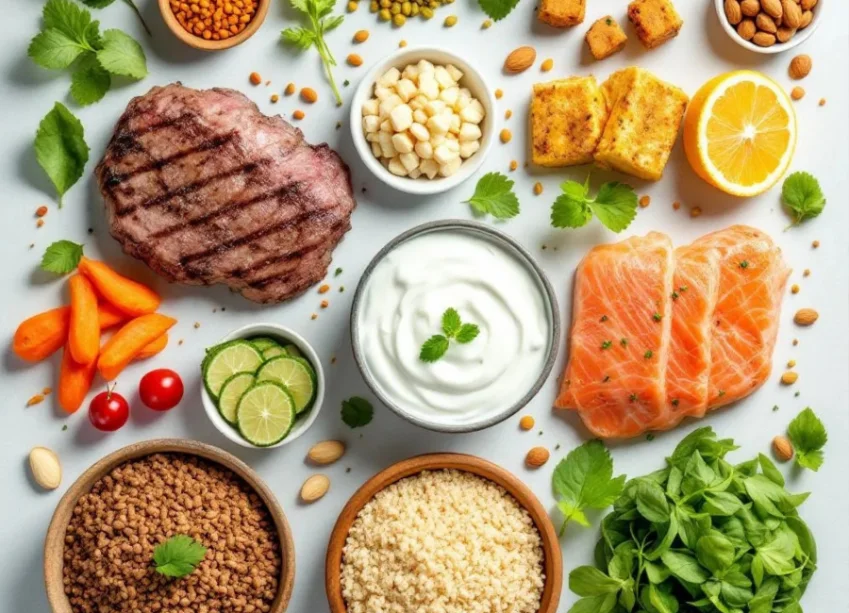
Complete proteins deliver all nine essential amino acids—histidine, isoleucine, leucine, lysine, methionine, phenylalanine, threonine, tryptophan, and valine—in sufficient quantities. Most animal proteins qualify as complete, while plant proteins often lack adequate amounts of one or more essential amino acids.
Protein quality is measured using the Protein Digestibility-Corrected Amino Acid Score (PDCAAS), where 1.0 represents the highest score. Animal proteins like beef score 92, chicken scores 91, and eggs, whole milk, and whey score 100. Plant proteins show more variation: soy flour scores 93, chickpeas score 74, yellow split pea scores 64, and wheat scores 51.
Complete Animal Protein Sources
Eggs
Eggs contain all essential amino acids, making them a complete protein source. One large egg provides 6g protein along with vitamins A, E, B-complex, selenium, zinc, calcium, and phosphorus. The biological components have been shown to demonstrate immune-enhancing properties.
Lean Poultry
Chicken, turkey, and duck are excellent sources of high-quality protein along with important nutrients like iron and zinc. 100g chicken breast delivers approximately 31g protein. Opt for skinless cuts to minimize saturated fat while maximizing protein density.
Fish and Seafood
Fish like salmon, tuna, and mackerel are rich in protein and contain omega-3 fatty acids beneficial for heart health. 100g salmon provides 25g protein plus EPA and DHA omega-3s. Choose seafood options lower in methylmercury—salmon, anchovies, trout, sardines.
Lean Red Meat
Beef and pork are excellent sources of high-quality protein, iron, and zinc. 100g lean beef contains 26g protein. Select lean cuts like sirloin or tenderloin and limit consumption to maintain cardiovascular health. Research consistently links both unprocessed and processed red meat to higher risks of cardiovascular disease and diabetes.
Dairy Products
Milk, cheese, and yogurt are rich in protein, calcium, and essential nutrients. Greek yogurt provides 10g protein per 100g—double that of regular yogurt. Choose low-fat dairy options and limit cheese to avoid excessive saturated fat.
Whey Protein
Whey protein demonstrates immune-enhancing properties and works as an antioxidant, antihypertensive, antiviral, and antibacterial agent. One scoop (30g) delivers approximately 24g protein with a PDCAAS of 1.0, making it one of the highest-quality proteins available.
Complete Plant Protein Sources
Soy Products
Soy is on par with animal-based protein for quality, low in fat, and a source of iron and fiber. The PDCAAS for soy is 93, nearly matching animal proteins.
Tofu: 100g provides 8g protein. Made by condensing soy milk into blocks.
Tempeh: 100g contains 19-21g protein—nearly double tofu’s amount due to its fermented, denser structure. The fermentation process makes it beneficial for gut microbiome health.
Edamame: 100g delivers 11g protein. These are whole soybeans harvested before full maturity.
Quinoa
Quinoa is a plant-based complete protein source, with one cup of cooked quinoa providing about 8g protein and 5g fiber. It contains all nine essential amino acids, making it unique among grains.
Hemp Seeds
Hemp seeds are one of the few plant foods that contain all 9 essential amino acids. 3 tablespoons (30g) provide 10g protein along with optimal omega-3 to omega-6 ratios. Research suggests hemp’s protein content is well-absorbed by our bodies, with protein making up approximately 25% of the seed’s calories.
Chia Seeds
Chia seeds contain all nine essential amino acids. 2 tablespoons provide 4g protein plus 10g fiber—35% of daily fiber requirements. The fiber slows sugar absorption, preventing blood glucose spikes.
Buckwheat
Despite its name, buckwheat is not wheat but a pseudocereal. Amaranth, buckwheat, and spirulina are complete plant protein sources unrelated to soy. 100g cooked buckwheat contains 3.4g protein with all essential amino acids.
Spirulina
Spirulina is a blue-green algae that contains all nine essential amino acids, providing 8g protein per 2 tablespoons. This makes it 60-70% protein by weight—higher than any other plant source. However, spirulina is relatively low in the sulfur-containing amino acids methionine and cysteine compared to reference proteins, reaching about 80% of the limiting amino acid levels found in egg or milk proteins. Despite this limitation, spirulina protein quality remains superior to most other plant protein sources.
Nutritional Yeast
Nutritional yeast is deactivated yeast considered a complete protein, with 2 tablespoons providing 8-9g protein. Often fortified with B12, it adds a savory, cheese-like flavor to dishes.
Ezekiel Bread
Ezekiel bread is made from whole grains (wheat, barley, millet) plus soy and lentils to provide a complete protein source. One slice contains approximately 4g protein from complementary grain and legume combinations.
Seitan
Seitan is protein made from gluten, the main protein in wheat. Just 100g provides 25g protein, making it one of the highest-protein plant foods. Seitan is incomplete on its own but preparing it with soy sauce makes it complete.
Complementary Protein Strategies
Legumes are frequently low in methionine and cysteine, while lysine is typically limiting in grains. Consumption of these two protein sources over the course of the day allows them to “complement” one another.
Classic combinations include:
- Rice and beans
- Peanut butter on whole wheat bread
- Hummus with whole grain pita
- Lentils with quinoa
- Black beans with corn tortillas
Protein blends of pea and rice ranging 40-90% pea protein can achieve a PDCAAS of 1.0. You don’t need to combine proteins at every meal—eating varied protein sources throughout the day ensures adequate essential amino acid intake.
Protein Quality Beyond PDCAAS
The Digestible Indispensable Amino Acid Score (DIAAS) is replacing PDCAAS as the preferred protein quality measure. PDCAAS uses fecal digestibility while DIAAS measures ileal digestibility at the end of the small intestine, providing more accurate absorption data.
Under DIAAS scoring, dairy proteins maintain scores above 1.0, while plant proteins show greater differentiation, revealing more precise quality differences between sources. This matters for individuals relying heavily on plant proteins who may need to consume larger quantities or more varied sources.
Health Implications of Protein Source Choice
Cardiovascular Health
Plant-based diets are associated with 30% lower risk of death from ischemic heart disease compared to meat-heavy diets, due to lower saturated fats, iron, and hormones. One meta-analysis found that replacing red meat with healthy plant proteins decreased cardiovascular disease risk.
Diabetes Prevention
People following plant-based diets have lower levels of type 2 diabetes than people eating animal protein, and this reduced risk held up even among people of the same weight.
Muscle Maintenance
For people over age 50, protein intake should increase to 1g per kilogram of body weight just to maintain muscle mass, which declines with age. Complete proteins—whether animal or plant—support this need effectively.
How Much Complete Protein Do You Need?
The general recommendation for healthy adults is at least 0.36g protein per pound of body weight daily. A 160-pound person needs approximately 58g daily protein.
Research published in Cell Reports Medicine demonstrates that the body can absorb and utilize far more than the commonly cited 25-30g limit per meal. Studies show the body effectively absorbed and utilized 100g protein in a single meal with no saturation point detected. While distributing protein throughout the day may offer benefits, total daily protein intake matters more than per-meal amounts.
Athletes, people over 50, and those recovering from illness may require 0.5-0.7g per pound of body weight. If trying to gain muscle mass, higher-protein diets can help support muscle repair and growth.
The Bottom Line
Key takeaways on complete protein sources:
- All animal proteins (eggs, poultry, fish, beef, pork, dairy) provide complete protein with PDCAAS scores of 0.9-1.0
- Plant complete proteins include soy products, quinoa, hemp seeds, chia seeds, buckwheat, spirulina, and nutritional yeast
- Protein quality scores help compare sources, with animal proteins generally scoring higher than most plant options
- Complementary proteins (rice + beans, hummus + pita) create complete protein profiles when consumed throughout the day
- Variety matters—eating diverse protein sources ensures adequate essential amino acid intake
- Plant proteins offer additional benefits including fiber, antioxidants, and lower environmental impact
- Portion awareness helps optimize protein absorption, with 25-40g per meal being the maximum useful amount
- Health outcomes favor balanced approaches incorporating both quality animal proteins and diverse plant sources
Whether choosing animal, plant, or mixed protein sources, focus on variety, quality, and appropriate portion sizes to meet your body’s essential amino acid requirements while supporting long-term health.