

The supplement industry generates billions annually by promising health transformations, yet most people need only a handful of key nutrients to optimize their health. Research shows that despite extensive supplementation, only vitamin D, magnesium, omega-3 fatty acids, vitamin B12, and fiber consistently demonstrate benefits for general population health.
Vitamin D: The Deficiency Epidemic
Vitamin D deficiency affects 22% of Americans with moderate deficiency and 2.6% with severe deficiency. The deficiency rate reaches 82.1% in Black Americans and 69.2% in Hispanic populations.
Why supplementation matters: The body produces vitamin D through sun exposure, but modern indoor lifestyles, sunscreen use, and geographic location dramatically limit natural synthesis. Severe vitamin D deficiency (below 30nmol/L) dramatically increases risk of excess mortality, infections, and numerous diseases.
Mechanisms: Vitamin D facilitates calcium absorption in the intestines, maintaining bone mineral density. Beyond bone health, it regulates immune function, muscle strength, and cellular processes affecting cardiovascular and metabolic health.
Optimal dosing:
- Adults under 70: 600-1,000 IU daily
- Adults over 70: 800-2,000 IU daily
- Target blood level: 50-125nmol/L
Studies show 50-60% of nursing home residents and hospitalized patients are vitamin D deficient, making supplementation particularly critical for older adults and those with limited sun exposure.
Omega-3 Fatty Acids: Essential Fats Your Body Cannot Make
The human body cannot efficiently produce EPA (eicosapentaenoic acid) and DHA (docosahexaenoic acid) from plant-based omega-3 sources. Research shows only 2-10% of ALA converts to EPA or DHA, with some studies finding conversion rates below 0.3% for EPA and less than 0.01% for DHA.
Cardiovascular protection: EPA and DHA supplementation beneficially impacts triglycerides, total cholesterol, insulin resistance, blood pressure, liver enzymes, inflammatory markers, and oxidative stress. These fatty acids stabilize atherosclerotic plaques and reduce sudden cardiac events.
Brain and cognitive function: EPA and DHA are critical for fetal neuronal development, retinal function, and immune system maturation. Patients with Alzheimer’s disease show DHA deficiency, and supplementation may improve cognitive function in very mild cases.
Anti-inflammatory mechanisms: Omega-3 fatty acids reduce inflammation by blunting cellular inflammatory signals and replacing arachidonic acid in cell membranes, affecting multiple inflammatory mediators.
Recommended intake:
- General population: 1,000-2,000mg combined EPA/DHA daily
- Cardiovascular disease history: 2,000-4,000mg daily
- Prioritize fish oil or algae-based supplements over flaxseed
Magnesium: The Forgotten Mineral
Nearly 48% of the US population consumes less than the required magnesium from food, and 45% of Americans are magnesium deficient. Subclinical magnesium deficiency should be considered a public health crisis due to its role in cardiovascular disease and chronic illness.
Cellular energy production: Magnesium acts as a cofactor for more than 300 enzymatic reactions. ATP, the molecule fueling nearly every bodily function, relies on magnesium to stabilize high-energy phosphate groups. Without sufficient magnesium, energy production falters.
Cardiovascular benefits: A 2019 meta-analysis found that each 100mg daily increase in magnesium reduces stroke risk by 2%. Magnesium supplementation improves endothelial function, reduces inflammation, and lowers blood pressure in both hypertensive and normotensive individuals.
Metabolic syndrome protection: Research links higher magnesium intake with 27% lower risk of metabolic syndrome. Magnesium improves insulin sensitivity and reduces diabetes risk.
Additional benefits:
- Migraine prevention: 600mg magnesium citrate daily appears safe and effective for migraine prevention
- Sleep quality: Supports GABA production and nervous system relaxation
- Muscle function: Prevents cramping and supports recovery
Optimal supplementation:
- Men: 400-420mg daily
- Women: 310-320mg daily
- Magnesium glycinate or citrate absorb best; oxide forms cause digestive upset
Modern agricultural practices have depleted soil magnesium content by 80-90% over the past century, making dietary intake insufficient even with healthy eating.
Vitamin B12: Critical for Nerves and Blood
Approximately 6% of adults over 60 are vitamin B12 deficient, with 20% having marginal status. The prevalence increases significantly with age due to decreased stomach acid production.
Who’s at highest risk:
- Vegetarians and vegans: B12 exists only in animal products
- Adults over 50: Reduced stomach acid impairs B12 absorption from food, though synthetic B12 in supplements and fortified foods absorbs without acid
- Metformin users: Metformin affects calcium-dependent ileal absorption of the intrinsic factor-B12 complex
- Gastrointestinal disorders: Crohn’s, celiac disease, or prior gastric surgery
Neurological importance: B12 serves as a cofactor for enzymes involved in DNA synthesis, fatty acid production, and myelin formation. Deficiency causes nerve demyelination, leading to irreversible neurological damage if untreated.
Hematological function: B12 deficiency impairs DNA synthesis in rapidly dividing cells, causing megaloblastic anemia and characteristic hypersegmented neutrophils.
Cognitive protection: Low B12 levels link to compromised cognitive performance, including memory deficits, impaired executive function, and attention problems.
Supplementation guidelines:
- General population: 2.4-2.6mcg daily
- Adults over 50: 25-100mcg daily (higher dose compensates for absorption issues)
- Vegans/vegetarians: 250-500mcg daily or 2,500mcg weekly
- Prefer methylcobalamin or hydroxocobalamin over cyanocobalamin
Fiber: The Overlooked Essential
The National Academy of Medicine recommends 38g daily for men under 50, 30g for older men, 25g for women under 50, and 21g for women over 50. Most Americans consume less than half this amount.
Cardiovascular protection: High fiber intake shows potential benefits for heart disease, obesity, hernias, varicose veins, and diverticulitis. Soluble fiber like psyllium provides additional cholesterol-lowering effects.
Metabolic benefits:
- Blood sugar regulation: Slows glucose absorption, preventing spikes
- Weight management: Increases satiety and reduces caloric intake
- Gut microbiome: Feeds beneficial bacteria producing short-chain fatty acids
Digestive health: Prevents constipation, reduces hemorrhoid risk, and supports regular bowel movements. Adequate fiber intake correlates with lower colorectal cancer rates.
Supplementation strategy:
- Start with 5-10g daily, increase gradually
- Psyllium husk: 5-10g daily provides soluble fiber plus cholesterol benefits
- Inulin or acacia fiber: Prebiotic effects support gut bacteria
- Drink 8-10 glasses water daily with fiber supplements
While whole food sources remain ideal, supplementation helps bridge the gap when dietary intake falls short.
Who Doesn’t Need These Supplements
Skip supplementation if:
- Consuming 2+ servings fatty fish weekly (omega-3)
- Living at equatorial latitudes with regular sun exposure (vitamin D)
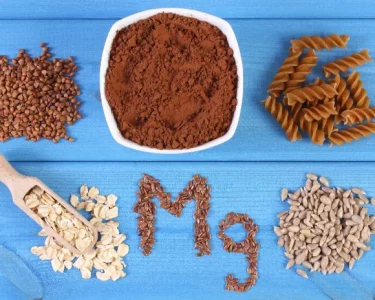
- Eating varied diet rich in leafy greens, nuts, whole grains (magnesium)
- Consuming animal products regularly (B12)
- Meeting fiber requirements through diet (25-38g daily)
When to test before supplementing:
- Iron (never supplement without deficiency confirmation)
- Calcium (excess increases cardiovascular and kidney stone risk)
- B vitamins beyond B12 (balanced in most diets)
The Bottom Line
Five supplements fill genuine nutritional gaps for most people:
- Vitamin D (600-2,000 IU): Addresses widespread deficiency affecting bone health, immunity, and chronic disease risk
- Omega-3 (1,000-2,000mg EPA/DHA): Provides essential fats the body cannot efficiently produce, protecting cardiovascular and cognitive health
- Magnesium (310-420mg): Compensates for depleted soil and supports 300+ enzymatic reactions
- Vitamin B12 (2.4-500mcg depending on age/diet): Prevents neurological damage and anemia, especially critical for those over 50 and plant-based eaters
- Fiber (5-10g supplement plus dietary sources): Bridges the gap between intake and requirements for metabolic and digestive health
The supplement industry thrives on complexity, but optimal health requires only these evidence-based essentials. Consult healthcare providers before starting supplementation, especially with existing medical conditions or medications.